Mastering Printable Sig Fig Rules for Accurate Calculations


Understanding Significant Figures
When it comes to calculations, especially in scientific and mathematical contexts, accuracy is key. One crucial aspect of achieving this accuracy is understanding and applying significant figure rules. Significant figures, often abbreviated as sig figs, are the digits in a measurement that are known to be reliable and certain. The rules surrounding sig figs help in maintaining the precision of calculations by determining the number of significant figures in a result based on the operations performed.
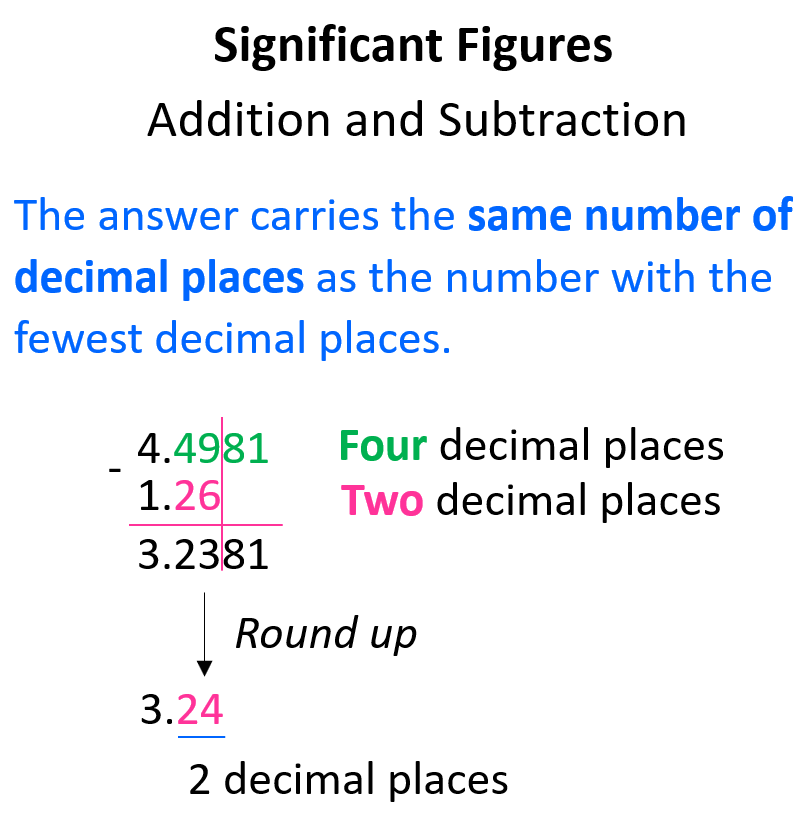
The printable sig fig rules are designed to guide how numbers with different significant figures are treated during addition, subtraction, multiplication, and division. For instance, when adding or subtracting numbers, the result should have the same number of decimal places as the number with the fewest decimal places. On the other hand, for multiplication and division, the result should have the same number of significant figures as the number with the fewest significant figures.
Applying Sig Fig Rules in Calculations
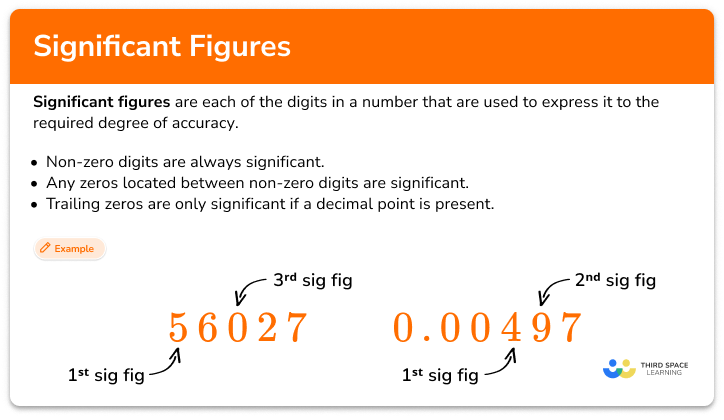
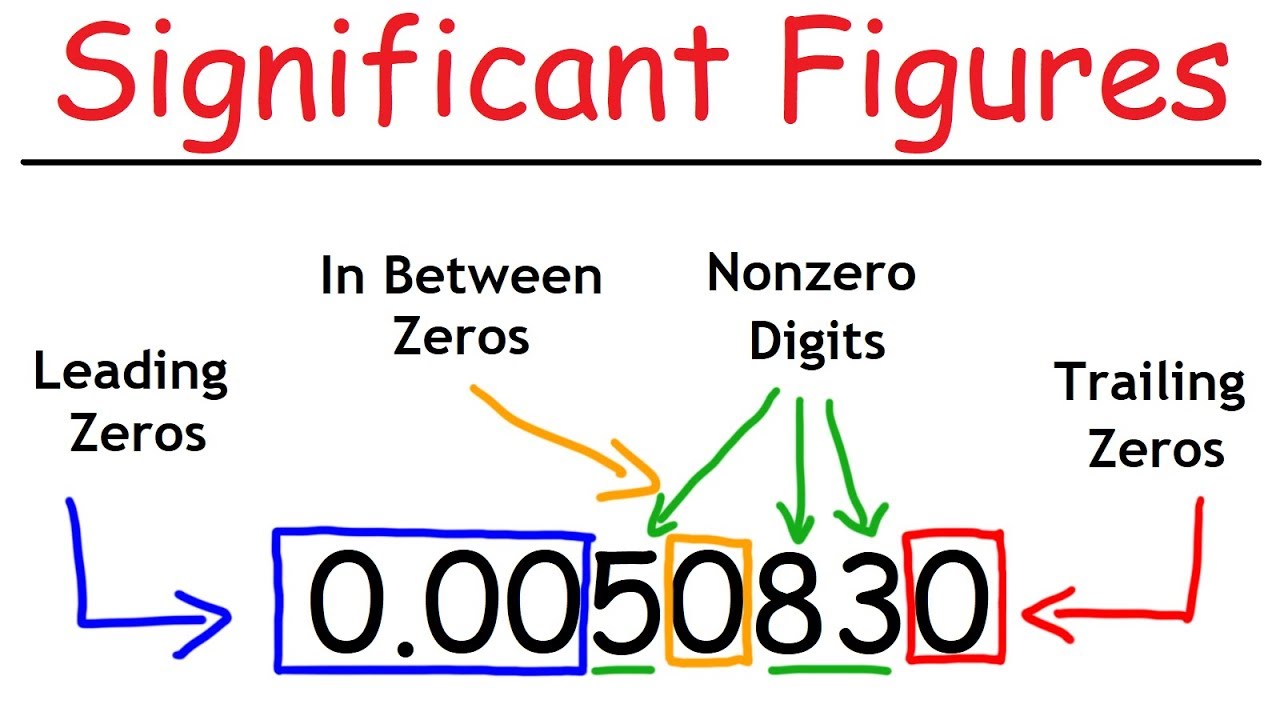
To apply the printable sig fig rules effectively, one must first be able to identify the number of significant figures in a given number. This involves understanding the rules for counting significant figures, including the treatment of zeros at the beginning, end, or within a number. For example, trailing zeros are significant if the number contains a decimal point, but they are not significant if there is no decimal point, unless explicitly stated. Understanding these nuances is vital for accurate application of sig fig rules in calculations.