
Understanding the Bones of the Skull Worksheet

Introduction to the Skull
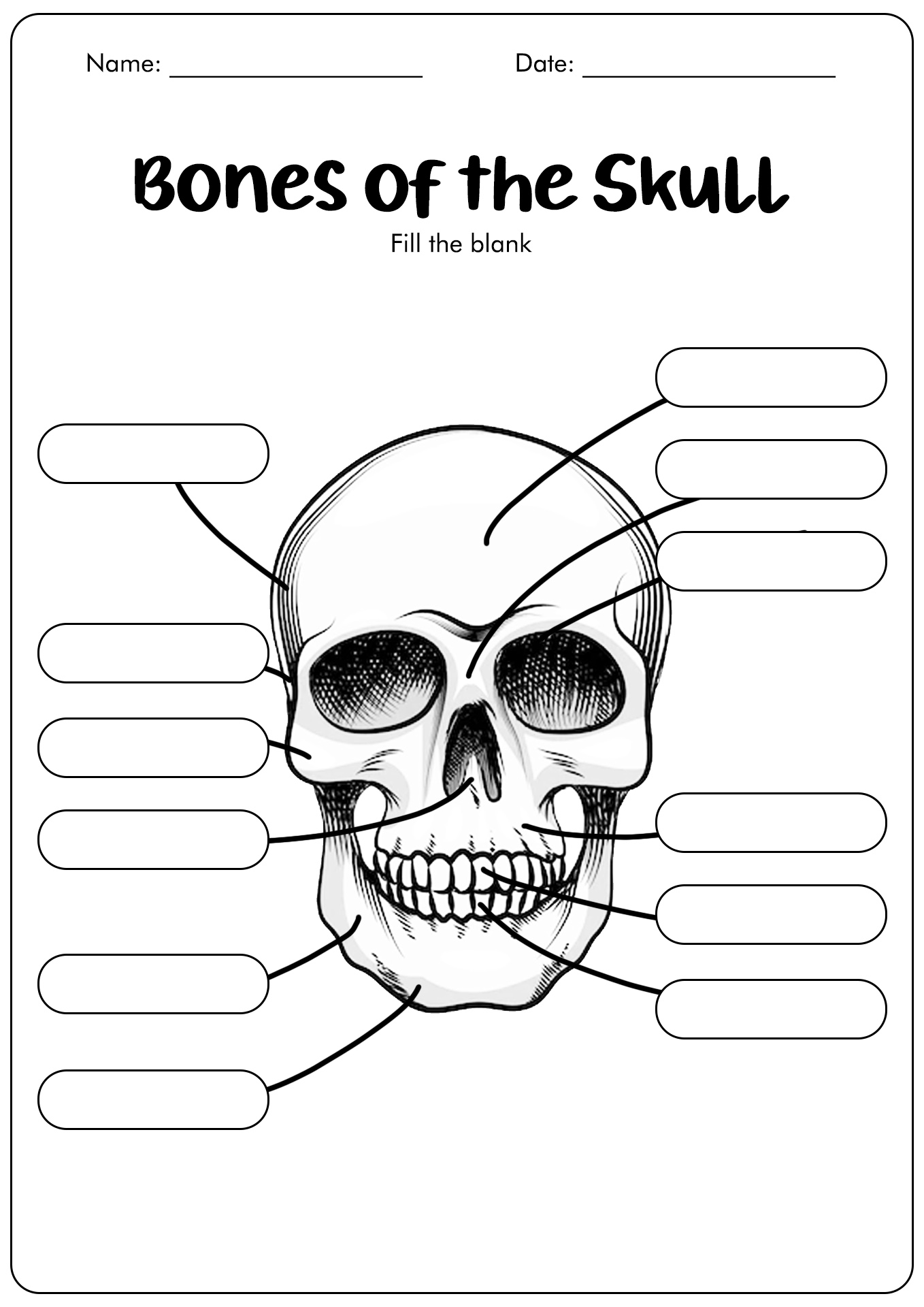
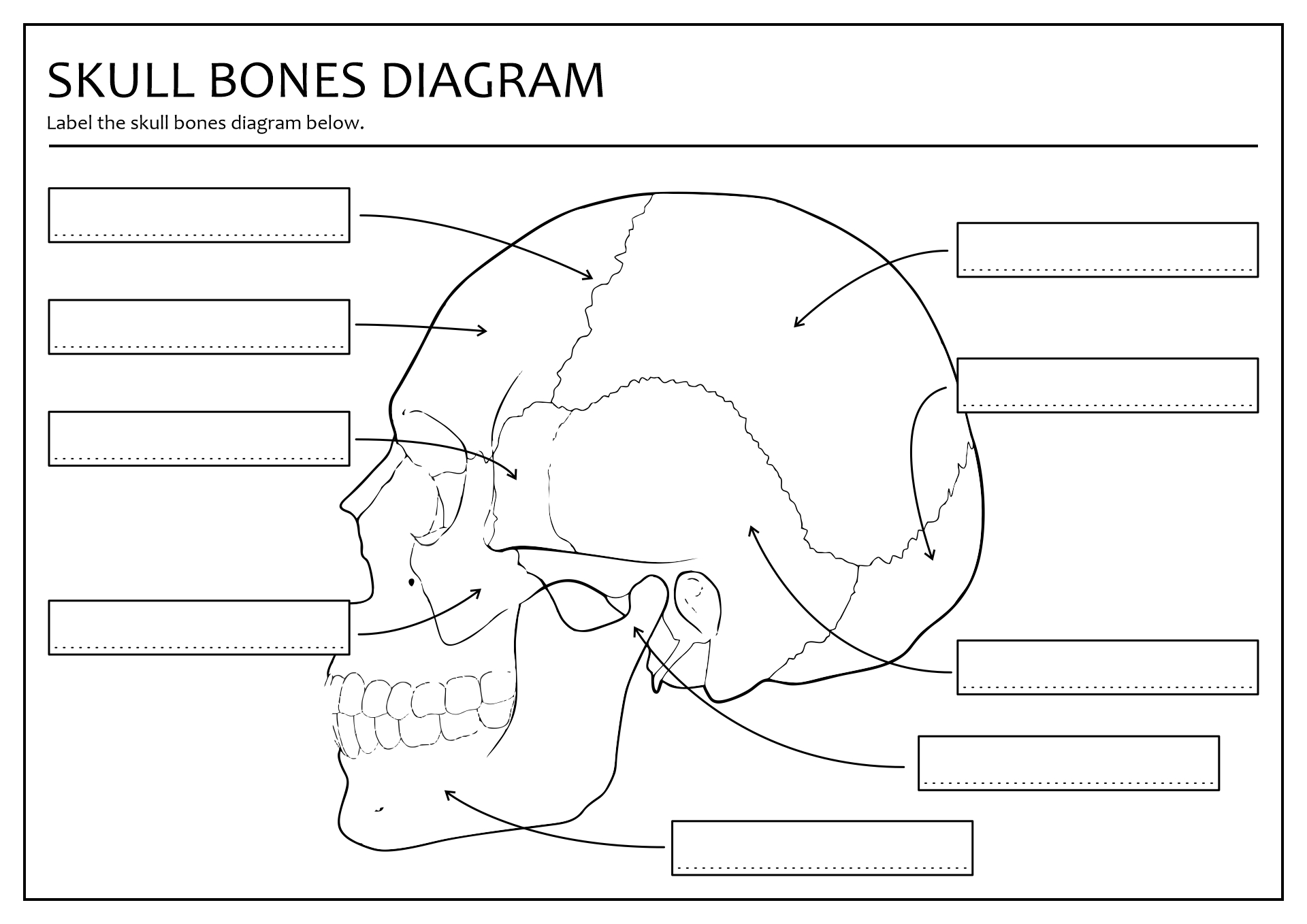
The human skull is a complex and fascinating structure, made up of 22 bones that work together to protect the brain and facilitate various functions such as vision, hearing, and eating. For students of anatomy, understanding the bones of the skull is a crucial part of their education. This is where a bones of the skull worksheet comes in - a valuable tool that helps learners to identify and familiarize themselves with the different bones that make up the skull.
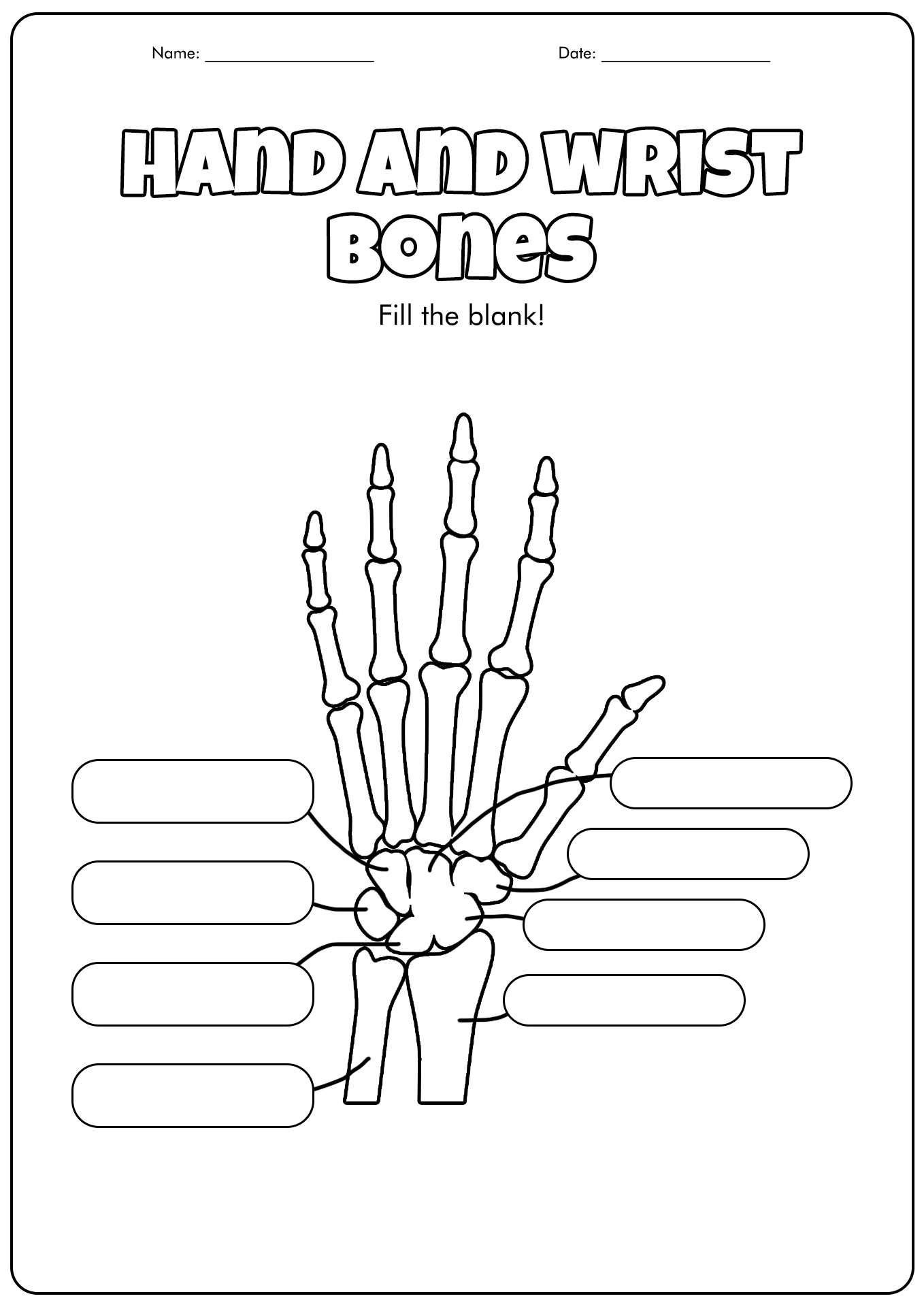
One of the key benefits of using a bones of the skull worksheet is that it allows learners to visualize and interact with the different bones in a hands-on way. By labeling diagrams and completing exercises, students can develop a deeper understanding of the skull's structure and how its various bones fit together. This can be especially helpful for students who are visual learners, as it provides a tangible and engaging way to learn about a complex subject.
Benefits of Using a Bones of the Skull Worksheet
The bones of the skull can be broadly categorized into two groups: the cranial bones and the facial bones. The cranial bones include the frontal bone, parietal bones, occipital bone, temporal bones, sphenoid bone, and ethmoid bone. These bones work together to form the cranium, which encloses and protects the brain. The facial bones, on the other hand, include the mandible, maxilla, zygoma, lacrimal bone, palatine bone, nasal bone, and turbinate bones. These bones form the facial structure and play a crucial role in functions such as eating, breathing, and speaking.