
Mastering 5th Grade Maths: A Comprehensive Guide



Understanding Key Concepts
As students enter the 5th grade, they are expected to have a solid foundation in basic maths concepts such as addition, subtraction, multiplication, and division. However, 5th grade maths introduces more complex topics like fractions, decimals, and geometry, which can be challenging for some students. In this article, we will explore the key concepts and skills required for 5th grade maths and provide tips and resources to help your child succeed.
One of the most critical areas of focus in 5th grade maths is fractions. Students need to understand how to add, subtract, multiply, and divide fractions, as well as convert between different types of fractions. Another essential concept is decimals, which involves understanding how to read, write, and compare decimal numbers. Geometry is also introduced in 5th grade, where students learn about basic shapes, such as triangles, quadrilaterals, and polygons.
Developing Problem-Solving Skills
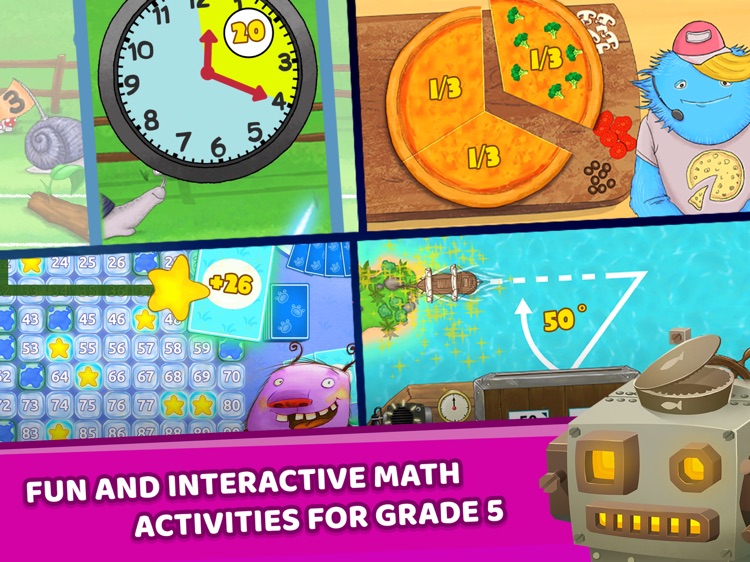
To master 5th grade maths, students need to develop a deep understanding of key concepts like fractions, decimals, and geometry. This involves practicing regularly and using real-world examples to illustrate complex maths problems. For instance, students can use everyday objects to demonstrate fractions, such as cutting a pizza into equal parts or measuring ingredients for a recipe. By making maths relevant and engaging, students are more likely to stay motivated and develop a love for learning maths.
In addition to understanding key concepts, 5th grade maths students need to develop strong problem-solving skills. This involves learning how to approach maths problems in a logical and methodical way, using tools like diagrams, charts, and graphs to visualize and solve problems. Parents and teachers can support students by providing opportunities for them to practice problem-solving, such as working on maths puzzles, brain teasers, or project-based learning activities. By developing these skills, students will become more confident and proficient in maths, setting them up for success in future maths classes.